

Wooden Pallets Vendor
Add a review FollowOverview
-
Founded Date 04/07/1928
-
Sectors College
-
Posted Jobs 0
-
Viewed 4
Company Description
The 10 Most Scariest Things About Pallets Warehouse
The Essential Role of Pallets in Warehouse Operations
In the contemporary logistics and supply chain landscape, effective storage and dealing with options are vital. One of the unrecognized heroes of this system is the pallet– an often-overlooked yet necessary element in warehouse operations. Comprehending the role of pallets can substantially affect both functional performance and cost-effectiveness. This blog will look into the characteristics, types, advantages, and best practices for utilizing pallets in a warehouse setting.
What is a Pallet?
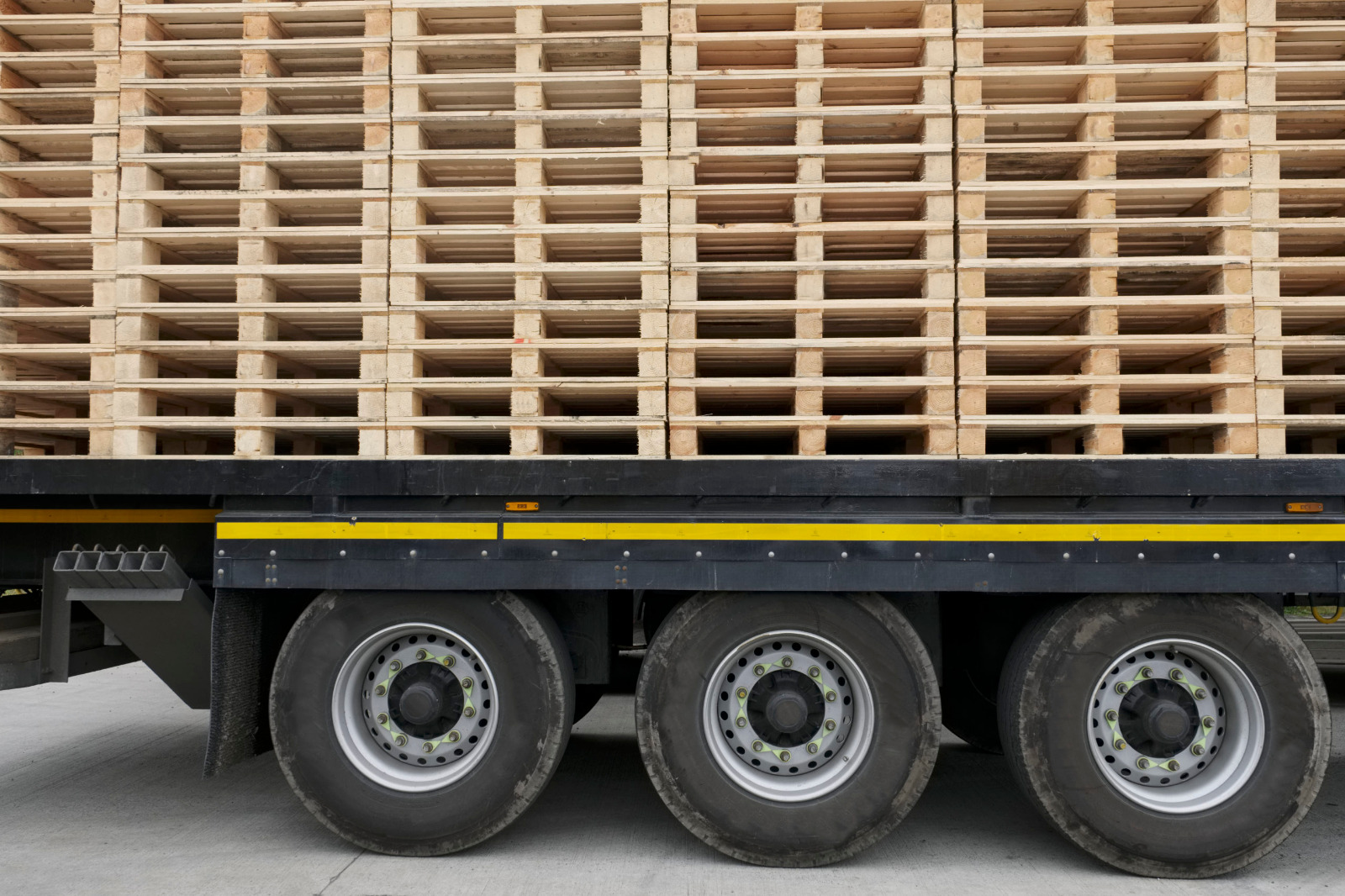
A pallet is a flat structure, normally made of wood, plastic, or metal, that offers a steady base for stacking, storing, and transporting items. Pallets enable simpler handling with forklifts and pallet jacks, enhancing the area and performance in storage facilities and storage centers.
Types of Pallets
Pallets warehouse are available in numerous types to suit various needs and environments. Here’s a table summarizing the crucial characteristics of each type:
| Type | Material | Load Capacity | Common Uses | Lifespan |
|---|---|---|---|---|
| Wooden Pallet | Wood | 2,000-5,000 pounds | General warehousing, agriculture | 3-5 years |
| Plastic Pallet | Plastic | 1,500-3,500 lbs | Pharmaceutical, food industries | 10+ years |
| Metal Pallet | Steel/Aluminum | 2,000-10,000 lbs | Durable applications, industrial use | 20+ years |
| Composite Pallet | Compressed products | Varies | Eco-friendly alternatives | 5-10 years |
| Euro Pallet | Wood | 2,000-3,000 lbs | European transport, retail use | 5-10 years |
The Importance of Pallets in Warehouse Operations
Area Optimization
Pallets help with vertical storage, enabling warehouses to make the most of vertical space. Rather of stacking items haphazardly, utilizing pallets offers an organized method to warehousing. This vertical structure can frequently maximize flooring area, making it possible for more effective workflows.
Effective Handling
By standardizing storage on pallets, employees can utilize forklifts and pallet jacks to move big amounts of products quickly. This minimizes manual labor, increasing labor efficiency, and potentially reducing the risk of office injuries.
Stock Management
Pallets are essential for inventory control. Making use of pallets allows for clearer exposure of inventory levels, which assists in tracking materials and handling stock levels more effectively. Furthermore, each pallet can be tagged with barcodes or RFID tags, enhancing the accuracy of stock management systems.
Cost-Effectiveness
While the preliminary financial investment in pallets might appear substantial, their long life-span and capability to enhance space can cause considerable expense savings with time. Decreased labor expenses, improved inventory management, and decreased damage to goods likewise contribute to general savings.
Ecological Impact
Sustainability is increasingly ending up being an essential focus for warehouse operations. Using recyclable pallets or those made from sustainable products can decrease ecological impact. Choosing plastic or composite pallets can likewise result in lowered waste over time.
Best Practices for Pallet Management
To make sure that the advantages of pallets are taken full advantage of, it is essential to execute best practices in pallet management:
- Regular Inspection: Periodically inspect pallets for damage and wear. Replace or fix as required to prevent accidents or losses.
- Proper Storage: Ensure pallets are kept properly– this consists of stacking them evenly and securely to avoid collapse.
- Training Staff: Educate workers on how to manage pallets correctly to reduce the danger of injury and accidents.
- Tracking Systems: Implement tracking systems for barrels to enhance inventory management and minimize loss or damage.
- Standardization: Use standardized pallet sizes to optimize warehouse systems for filling and handling.
- Recycling and Reuse: Promote recycling practices for harmed or redundant pallets to minimize waste.
Regularly Asked Questions (FAQs)
Q1: How do I select the ideal pallet for my warehouse?
A: The best pallet depends upon a number of elements, consisting of the type of goods being saved, weight capability, handling approaches, and budget plan. Make sure that you evaluate your unique needs before deciding.
Q2: How typically should palleted goods be examined?
A: Palleted items ought to be inspected routinely– preferably, before usage and every number of months throughout storage– to determine any damage or threats.
Q3: Can pallets be reused?
A: Yes, lots of pallets can be recycled as long as they are checked for security and compliance with requirements. Wooden pallets might reveal signs of wear and might need to be changed earlier than plastic or metal pallets.
Q4: Are there particular regulations for pallet usage in certain industries?
A: Yes, particular markets such as food and pharmaceuticals have rigorous regulations relating to pallet use to ensure hygiene and security. It’s important to research and understand these guidelines.
Q5: How do I figure out the lifespan of a pallet?
A: The lifespan of a pallet is affected by its product, usage, and handling. Routine examinations can help you evaluate the condition and figure out whether a pallet is safe for continued usage.
In conclusion, pallets are essential to the effectiveness and efficiency of warehouse operations. Comprehending their benefits and executing best practices can lead to a significant improvement in storage, managing, and stock management. As companies continue to evolve, embracing efficient practices surrounding pallets will be crucial in accomplishing functional excellence. By making notified choices about pallet types, requirements, and management, warehouses can browse the complexities these days’s logistics landscape while enhancing their resources.