

Sturdy Rollator
Add a review FollowOverview
-
Founded Date 03/07/2003
-
Sectors College
-
Posted Jobs 0
-
Viewed 21
Company Description
See What Rollator For Walking Tricks The Celebs Are Using
Understanding Rollators for Walking: A Comprehensive Guide
Rollators are an important mobility aid that enhances the liberty and independence of those with restricted walking abilities. They are developed not just to offer stability and support however also to encourage mobility and engagement in day-to-day activities for people of any ages. This article digs deep into the world of rollators, supplying insights into their features, benefits, types, upkeep, and essential considerations when picking the most suitable model.
What is a Rollator?
A rollator is a mobile walking aid geared up with four wheels, handgrips, a seat, and frequently includes additional functions such as storage baskets and brakes. Unlike conventional walkers, which require the user to lift them off the ground, rollators can be pushed along as the user strolls, making them particularly beneficial for individuals with limited strength or balance.
Secret Features of Rollators
Rollators consist of a number of features that enhance their use:
- Wheels: Most rollators feature swivel or fixed wheels for better maneuverability inside and outdoors.
- Brakes: Hand brakes allow users to control their speed and stop safely.
- Seat: Many rollators offer an integrated seat for users to rest when needed.
- Lightweight Frame: Constructed from lightweight products, rollators are simple to lift and carry.
- Adjustable Height: Most rollators permit height adjustments to accommodate the user’s stature.
Benefits of Using a Rollator
Utilizing a rollator offers various advantages, especially for seniors and individuals with mobility obstacles. These might include:
- Improved Stability: Rollators offer a steady base that helps avoid falls.
- Increased Mobility: Users can move about more easily, whether indoors or outdoors.
- Boosted Independence: With a rollator, users can perform everyday tasks without needing help.
- Convenient Seating: The schedule of a seat enables users to rest whenever they feel tired.
Kinds of Rollators
When thinking about which rollator to select, it’s crucial to acknowledge the numerous types available. The main categories consist of:
- Standard Rollators: Typically have four wheels and a seat, suitable for most indoor and outdoor environments.
- Sturdy Rollators: Designed for larger individuals, these rollators have actually reinforced frames and higher weight capabilities.
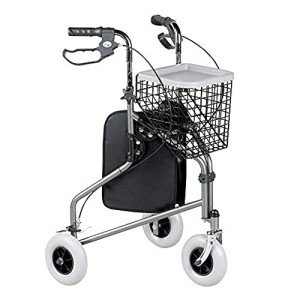
- Three-Wheel Rollators: These supply a more lightweight and compact option, making them ideal for narrower spaces.
- Foldable Rollators: Convenient for transportation, these designs can be quickly collapsed and kept when not in use.
| Kind of Rollator | Description | Best For |
|---|---|---|
| Standard Rollator For Walking, urbanrealestateng.com, | 4 wheels, seat, lots of choices. | General use, indoor and outdoor. |
| Heavy-Duty Rollator | Reinforced for greater weight capacity. | Bigger individuals requiring additional assistance. |
| Three-Wheel Rollator | Compact and lightweight, easy to maneuver. | Limited space and indoor use. |
| Foldable Rollator | Collapsible for easy transportation. | Regular tourists or caretakers. |
How to Choose the Right Rollator
Choosing the right rollator includes considering several aspects to satisfy the individual’s specific requirements:
- Weight Capacity: Ensure the rollator can support the user’s weight.
- Height Adjustability: Look for models that can be adapted to the user’s height for optimal convenience.
- Features Needed: Consider whether additional features like baskets, trays, or hand brakes are necessary.
- Planned Use: Determine if the rollator will be mainly used inside your home, outdoors, or both.
Maintenance Tips for Rollators
To prolong the life-span and functionality of a rollator, regular upkeep is important. Here are some helpful tips:
- Check Brakes: Regularly test brakes to ensure they engage effectively.
- Examine Wheels: Look for indications of wear and tear; wheels must roll efficiently.
- Clean Regularly: Wipe down the frame and elements to avoid dirt buildup.
- Tighten up Bolts: Periodically check and tighten up any loose bolts or screws.
Regularly Asked Questions (FAQs)
1. Can rollators be utilized on irregular surface areas?
Yes, many rollators are developed with bigger wheels or specialized treads to handle uneven surfaces. However, users should exercise care and ensure they feel stable when navigating such terrains.
2. How do I measure the appropriate height for a rollator?
When standing straight, the manages of the rollator should align with the user’s wrist when their arms are unwinded at their sides. This position guarantees comfy use.
3. Do I need a prescription to acquire a rollator?
No, rollators can be purchased without a prescription. Nevertheless, seeking advice from a healthcare expert can be useful to recognize the very best alternative based on private requirements.
4. Are rollators covered by insurance?
Protection for rollators can differ based upon the kind of insurance plan. Numerous Medicare strategies supply coverage for some kinds of walkers, including rollators. It’s advisable to consult the insurance coverage provider directly.
Rollators for walking substantially enhance the lives of lots of individuals dealing with mobility difficulties. Offering stability, independence, and ease of movement, they serve as crucial tools for maintaining an active way of life. Understanding the various types, features, and how to keep them in good condition can empower users in making informed decisions. As mobility requirements vary significantly from individual to person, it is vital to choose a rollator that best fulfills private requirements and boosts quality of life.