

Soffit Board Repair
Add a review FollowOverview
-
Founded Date 05/11/1927
-
Sectors Pre-School
-
Posted Jobs 0
-
Viewed 40
Company Description
9 Lessons Your Parents Teach You About Soffit Board Replacement
Soffit Board Replacement: A Comprehensive Guide
Soffit boards play a crucial role in the aesthetic appeals and performance of a home’s roofing system. Typically ignored, these parts can substantially affect ventilation, insulation, and even the total appearance of a house. This short article will offer a thorough look at soffit board replacement, covering the factors for replacement, the process, kinds of materials readily available, and typical concerns house owners might have.
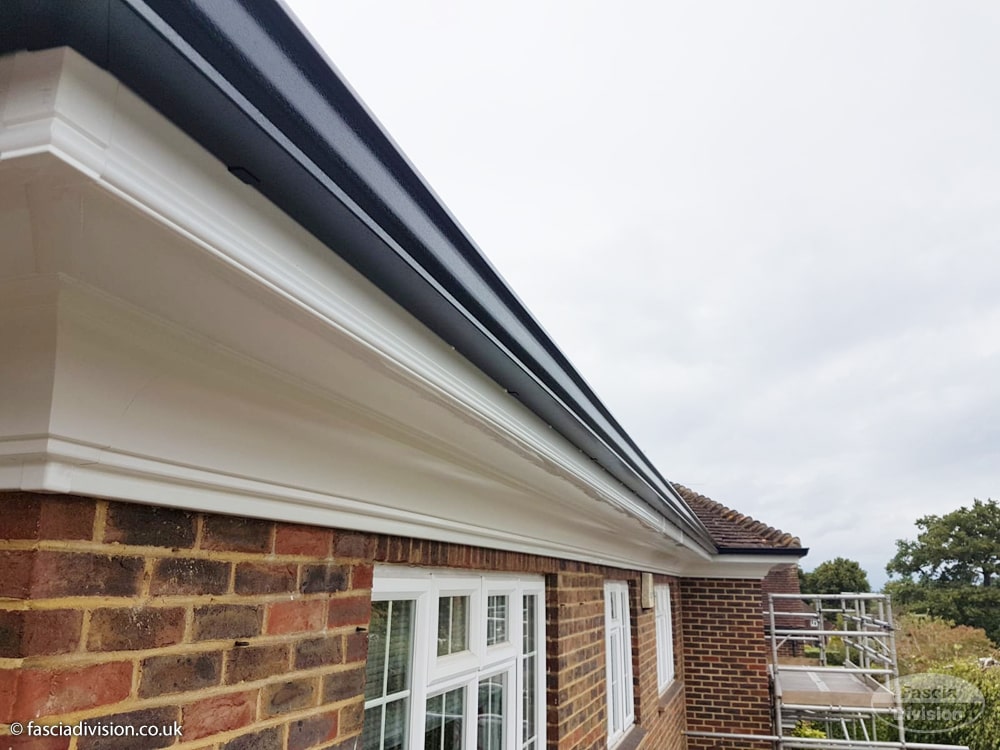
What is Soffit Board?
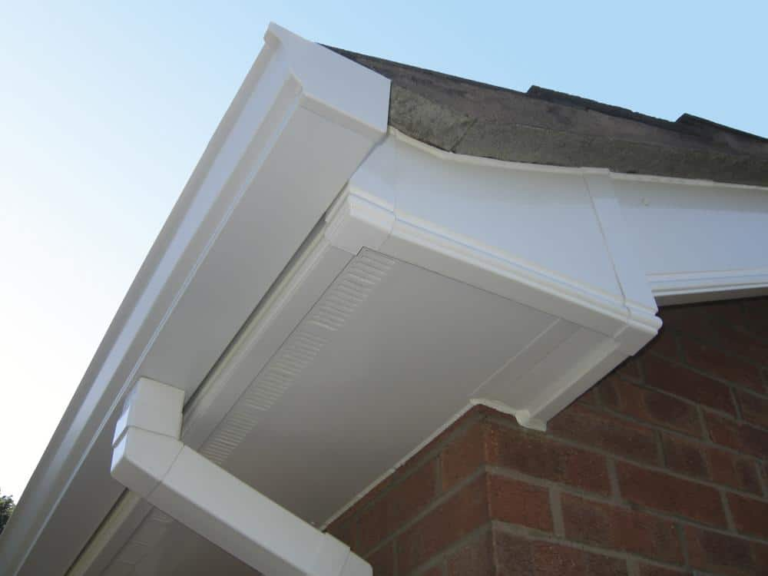
The soffit board is the product that bridges the gap between the exterior wall of a house and the eaves of the roof. It is typically found below the overhang of a roofing system and serves numerous purposes:
- Ventilation: Helps in ventilating the attic area.
- Aesthetic Appeal: Enhances the visual appeal of the home.
- Defense: Shields rafters and roofing components from moisture and pests.
When Should Soffit Boards be Replaced?
Numerous signs show that the soffit boards might require replacement:
- Rotting or Warping: Signs of decay can jeopardize the structural integrity.
- Insect Infestation: Damage from woodpeckers, termites, or other pests.
- Staining or Staining: Water stains can show leakages or improper insulation.
- Fractures or Gaps: These can enable wetness into the attic, resulting in more problems.
Materials Used in Soffit Board Replacement
Picking the ideal product for soffit boards is vital. Various alternatives are readily available, each with its advantages and drawbacks.
| Product | Advantages | Disadvantages |
|---|---|---|
| Vinyl | Resilient, low maintenance | May fade in extreme sunshine |
| Aluminum | Light-weight, resistant to rust | Can damage easily |
| Wood | Natural appearance, simple to paint | Requires routine maintenance |
| Fiber Cement | Fire-resistant, long-lasting | Heavier, more difficult to install |
| PVC | Resistant to wetness and pests | More expensive |
Tools and Materials Required for Soffit Replacement
To replace soffit boards skillfully, homeowners and contractors will require the following tools and materials:
Tools Needed
- Circular Saw: For cutting boards to size.
- Drill and Drill Bits: For fastening.
- Ladder: For accessing higher areas.
- Tape Measure: For precise measurements.
- Safety Gear: Including gloves and safety glasses.
Products Needed
- Replacement soffit boards (select preferred material)
- Fasteners (screws, nails)
- Ventilation strips (if required)
- Caulk and weatherproofing materials
The Soffit Board Replacement Process
Replacing soffit boards can be a manageable task for those with fundamental DIY skills. Below are the steps that can be followed:
- Preparation: Gather all tools and materials. Access the location safely using a ladder.
- Eliminate Old Soffit: Carefully remove the existing boards from the structure utilizing a drill or pry bar. Make sure not to damage the surrounding locations.
- Inspect for Damage: Examine the location for any damage that might need repair (like decomposing wood or leakages).
- Measure and Cut New Boards: Use a measuring tape to identify the size of the new soffit boards, then cut to size using a circular saw.
- Set Up New Soffit: Secure the brand-new boards in place, guaranteeing correct positioning and ventilation (if applicable).
- Seal and Paint: Apply caulk around seams and paint if necessary to end up the look.
Safety Considerations
- Constantly wear appropriate safety gear while working.
- Make sure the ladder is stable and, if necessary, have somebody hold it constant.
- Perform the deal with a clear day to prevent any accidents due to severe weather condition.
FAQs About Soffit Board Replacement
1. How typically should soffit boards be replaced?
Normally, soffit boards should be examined every 10 to 15 years, but conditions like weather direct exposure can impact longevity.
2. Can I replace soffit boards myself?
Yes, with the right tools and security precautions, numerous homeowners can undertake this task. However, if you’re uncomfortable with DIY jobs, consider working with a professional.
3. How do I understand what material to choose for soffit boards?
Think about factors such as sturdiness, maintenance, and visual appeals when choosing a material. Vinyl and aluminum are often advised for their low maintenance, while wood provides a classic appearance however requires routine upkeep.
4. What takes place if I disregard soffit damage?
Neglecting soffit damage can lead to more severe issues, consisting of attic wetness problems, insect infestations, and roofing system structure decay. It is suggested to addressthese issues quickly.
5. Are there ventilation options for soffits?
Yes, there are numerous ventilation options, such as perforated soffit panels or enthusiastically spaced vents included into the design. Correct ventilation assists avoid moisture build-up in the attic.
Soffit board replacement is an important aspect of home maintenance that can substantially contribute not only to the aesthetic appeal however also to the structural stability of a home. Whether you choose to change it yourself or hire a professional, being notified about the products, processes, and possible concerns can help you make the best decisions for your home’s care. Routine assessments and prompt replacements will ensure your house stays in exceptional shape for years to come.