

Non Powered Treadmill
Add a review FollowOverview
-
Founded Date 11/02/1904
-
Sectors Pre-School
-
Posted Jobs 0
-
Viewed 8
Company Description
20 Trailblazers Lead The Way In Treadmill Non Electric
Treadmill Non-Electric: The Eco-Friendly Fitness Solution
In an era controlled by electric devices and modern devices, the modest non-electric treadmill stands apart as a beacon of simpleness and performance. Often overshadowed by their state-of-the-art counterparts, non-electric treadmills provide various benefits that accommodate a sustainable lifestyle and a strong workout. This post will check out the advantages, performance, and variety of non-electric Treadmills For Cheap, making a strong case for their role in contemporary fitness routines.
What is a Non-Electric Treadmill?
A non-electric treadmill, also called a manual treadmill, operates without electric power. Rather, it depends on the user’s energy to move the belt. This kind of treadmill generally has a curved or flat running surface area and a belt that moves as the user walks or runs, thereby supplying a full-body cardiovascular exercise.
Secret Features of Non-Electric Treadmills
| Function | Description |
|---|---|
| Power Source | Manual operation (user-powered) |
| Design | Curved or flat treadmill surface |
| Portability | Typically lightweight and simple to move |
| Resilience | Less mechanical components; frequently made of high-quality products |
| Cost | Normally more economical than electric treadmills |
| Footprint | Normally smaller sized, making them ideal for minimal areas |
| Noise Level | Quieter operation compared to electric variations |
The Advantages of Non-Electric Treadmills
1. Eco-Friendly
Non-electric treadmills are a sustainable choice for fitness lovers. With no electricity intake, they lower carbon footprints and overall energy intake.
2. Affordable
With fewer mechanical elements and no circuitry systems, non-electric treadmills are generally more budget-friendly. This makes them accessible and attractive to individuals looking to preserve a healthy lifestyle without breaking the bank.
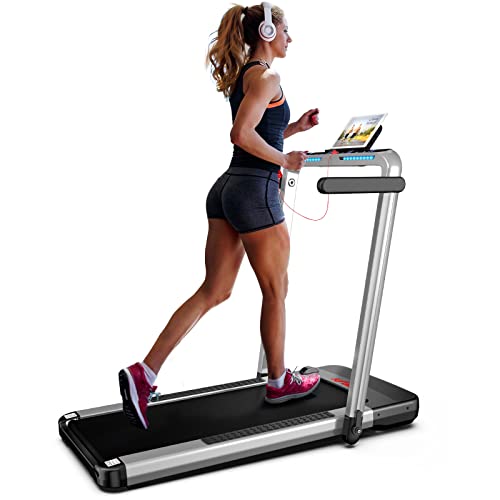
3. Increased Workout Intensity
Since the user powers the belt, they have complete control over their exercise’s strength. The harder you push, the more calories you burn. This self-powered function encourages a more engaged exercise, pushing limitations for a much better fitness result.
4. Compact and Portable Design
A lot of non-electric treadmills have a lightweight construction and smaller footprint, making them easy to shop and transport. This feature permits users to incorporate cardio workouts into different settings, whether in your home, in the workplace, or at a fitness center.
5. Lower Maintenance
Non-electric treadmills have fewer moving parts than electric variations, which translates to lower maintenance expenses and fewer mechanical failures gradually.
Types of Non-Electric Treadmills
Non-electric treadmills can be found in numerous styles to cater to diverse physical fitness needs. Here’s a brief overview:
| Type | Description |
|---|---|
| Curved Manual Treadmill | Functions a curved running surface area for a natural gait. Exceptional for running and interval exercises. |
| Flat Manual Treadmill | A simple style similar to traditional treadmills but powered by the user’s movement. |
| Foldable Manual Treadmill Cheap Treadmill | Compact style that can be quickly folded and saved away when not in usage. Perfect for little living areas. |
| All-Terrain Manual Treadmill | Designed for outside usage, these treadmills frequently feature a rugged build and traction control. |
Regularly Asked Questions (FAQ)
1. Are non-electric treadmills ideal for newbies?
Yes, non-electric machines treadmills can be ideal for newbies. Users can change the strength and speed of their exercises based on their fitness level.
2. Can I use a non-electric treadmill for running?
Absolutely! Many non-electric treadmills, especially curved models, are developed for running. Their Self Powered Treadmill Uk-powered nature enables users to participate in jogging or sprinting.
3. What kinds of exercises can I perform on a non-electric Treadmill Non Electric?
Users can engage in different exercises, consisting of walking, running, running, interval training, and even hill exercises by adjusting their position.
4. How do I keep a non-electric treadmill?
Standard upkeep consists of frequently inspecting the belt for wear, ensuring it is centered, and cleaning up the surface to prevent debris from impacting motion.
5. Are non-electric treadmills loud?
Non-electric treadmills tend to be quieter than electric ones, as they do not have motors that can create noise. Users may still create noise based upon their speed and weight.
Tips for Maximizing Your Non-Electric Treadmill Workouts
To get the most out of your non-electric treadmill sessions, think about the following tips:
-
Warm-Up Properly: Always begin with a warm-up session to prepare your body for the workout.
-
Incorporate Interval Training: Alternate between high-intensity sprints and moderate walking to increase calorie burn and enhance endurance.
-
Concentrate on Form: Maintain proper posture and type while running to reduce the threat of injury.
-
Hydration is Key: Keep water neighboring to remain hydrated throughout your workouts.
-
Track Your Progress: Use a physical fitness tracker or mobile phone to monitor your workout performance and progress gradually.
The Non Motorised Treadmill-electric treadmill stands out as an enduring, environment-friendly piece of exercise devices that effectively deals with both beginners and experienced fitness lovers. With its plethora of benefits, consisting of cost-effectiveness, ease of usage, and portability, it supplies a sustainable choice in the progressing physical fitness landscape. For those looking to simplify their exercises while accepting an active way of life, non-electric treadmills might be the perfect option. It’s time to redefine your workout experience away from the interruptions of technology and toward the basics that keep you fit and healthy!