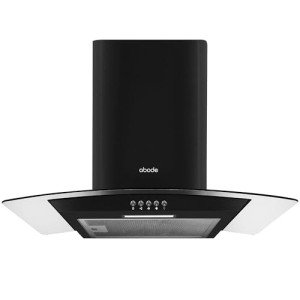
Kitchen Hood
Add a review FollowOverview
-
Founded Date 24/12/1973
-
Sectors Pre-School
-
Posted Jobs 0
-
Viewed 3
Company Description
10 Things You Learned In Kindergarden Which Will Aid You In Obtaining Extractor Hood
The Ultimate Guide to Kitchen Extractor Hoods: A Essential Component for Your Cooking Space
When it pertains to culinary delights, the kitchen is undoubtedly the heart of the home. A vital yet often overlooked device in this area is the kitchen extractor hood. Not just does it play a substantial function in keeping a clean and odor-free environment, however it also contributes to the total performance and style of your kitchen. In this thorough guide, we will explore the different types of kitchen extractor hoods, their advantages, setup processes, and upkeep ideas.
What is a Kitchen Extractor Hood?
A kitchen extractor hood (or range hood) is a gadget set up above the cooking surface area, normally the stove or cooktop. Its main function is to ventilate smoke, steam, grease, and odors produced during cooking by either recirculating air or exhausting it outside. This not just keeps the kitchen air fresh but likewise secures the cabinets and walls from grease buildup.
Advantages of Using a Kitchen Extractor Hood
- Improved Air Quality: Extractor hoods eliminate smoke, odorous fumes, and wetness from cooking, enhancing the air quality in the kitchen.
- Fire Safety: By eliminating combustible grease and particles, they help in reducing the threat of kitchen fires.
- Increased Comfort: Maintaining a steady room temperature level by getting rid of excess heat created during cooking.
- Conservation of Cabinets and Walls: Protects cabinetry andWall coverings from relentless greasy residue and moisture.
- Boosted Cooking Experience: A well-ventilated kitchen produces a more pleasant cooking environment.
Types of Kitchen Extractor Hoods
Whether you’re renovating your kitchen or building a brand-new one, you’ll desire to choose the right kind of extractor hood. Below is a relative table laying out the various types:
| Type | Description | Pros | Cons |
|---|---|---|---|
| Wall-Mounted | Installed to the wall, normally above the stove. | Space-saving, elegant choices. | Needs wall setup. |
| Island Hoods | Suspended from the ceiling above a kitchen island. | Excellent for big kitchens. | Most expensive installation. |
| Under-Cabinet | Fits underneath kitchen cabinets, conserving space. | Affordable, simple to install. | Limited venting efficiency. |
| Built-In Hoods | Integrated into cabinetry for a smooth appearance. | Aesthetic appeal, discreet. | Can be more intricate to install. |
| Downdraft Hoods | Pulls back down when not in usage; perfect for cooktops in a center island. | Saves space, modern style. | Minimal suction power. |
Key Features to Consider
When picking a kitchen extractor hood, it’s necessary to take the following functions into account:
- Size & & Fit: Ensure that the hood fits the size of your cooking surface area.
- Ducted vs. Ductless: Ducted hoods vent fumes outside, while ductless ones filter and recirculate air.
- Suction Power: Measured in cubic feet per minute (CFM), this figures out how successfully the hood can pull air.
- Sound Level: Consider the Bels (decibel level) for operation comfort.
- Lighting: Integrated lights can boost presence while cooking.
- Filters: Aluminum or stainless steel filters are reusable, whereas charcoal filters should be changed occasionally.
Installation Process
Installing a kitchen extractor hood can be a straightforward procedure, depending on the kind of hood. Here’s a brief introduction of what to anticipate:
- Preparation: Gather tools (screwdrivers, drill, level, and so on) and read the producer’s directions.
- Mounting Bracket: Secure the installing bracket to the wall or ceiling.
- Ductwork: For ducted hoods, connect ductwork to vent air exterior.
- Electrical Connection: Ensure safe circuitry for the hood’s power supply, if suitable.
- Hood Installation: Attach the hood to the installing bracket and guarantee it is level.
- Testing: After installation, test the fan and light functions to validate whatever works as anticipated.
Upkeep Tips
To lengthen the life and performance of your kitchen extractor hood, regular upkeep is vital. Here are vital maintenance ideas:
- Clean the Filters: Wash aluminum or stainless-steel filters frequently in warm, soapy water or run them through the dishwasher.
- Wipe Down Surfaces: Clean the exterior with an appropriate cleaner that won’t damage the surface.
- Examine Ducts: Periodically examine and tidy ductwork to avoid clogs.
- Lightbulb Replacement: Replace any burnt-out bulbs without delay for optimal lighting.
Frequently Asked Questions (FAQ)
-
How do I understand what size extractor hood I require?
- The hood must be at least as large as your stove or cooktop and efficiently extend 3-6 inches on either side.
-
What’s the ideal CFM for my kitchen?
- As a basic standard, you should go for 100 CFM per direct foot of cooking surface area.
-
How typically should I clean my extractor hood?
- Tidy the filters monthly and the outside every couple of months for optimum efficiency.
-
Can I install an extractor hood myself?
- While some installations are simple, hiring a professional is advised if electrical work or duct setup is included.
-
What’s the difference between ducted and ductless hoods?
- Ducted hoods vent air outside, while ductless hoods recirculate air through filters back into the kitchen.
A kitchen extractor hood enhances not just the functionality of your cooking space however also adds to a healthier environment and aesthetic appeal. By comprehending the various types, key functions, installation procedures, and maintenance standards, homeowners can make informed choices that suit their cooking design and area design. Investing in a quality extractor hood can lead to a more pleasurable cooking experience, transforming the heart of the home into an effective and pleasant space.