Cooker Hoods
Add a review FollowOverview
-
Founded Date 02/06/1929
-
Sectors College
-
Posted Jobs 0
-
Viewed 6
Company Description
You’ll Never Guess This Oven Extractor Fan’s Tricks
Understanding Oven Extractor Fans: Essential Insights for the Modern Kitchen
In today’s culinary landscape, the value of proper ventilation in the kitchen can not be overstated. One of the key parts of efficient kitchen ventilation is the oven extractor fan. This blog site aims to offer an in-depth exploration of what oven extractor fans are, their advantages, installation pointers, upkeep, and answers to some typically asked questions.
What is an Oven Extractor Fan?
An oven extractor fan, frequently referred to as a range hood or kitchen hood, is a gadget installed above the kitchen stove or oven. Its primary function is to ventilate the kitchen by getting rid of smoke, steam, grease, and smells that are released during cooking. By enhancing air quality, oven extractor fans develop a more pleasant and safer cooking environment.
Types of Oven Extractor Fans
There are different types of oven extractor fans available in today’s market:
| Type | Description | Pros | Cons |
|---|---|---|---|
| Wall-Mounted Hoods | Attached to the wall above the stove. | Easy to install; different designs available | Requires wall area; can be large |
| Ducted Hoods | Ventilation system links to an external duct. | More efficient; removes smells efficiently | Generally requires expert installation |
| Ductless Hoods | Utilizes filters to tidy air and recirculates it back into the kitchen. | Easier to set up; flexible positioning | Less reliable at eliminating smoke; regular filter replacement necessary |
| Under-Cabinet Hoods | Set up under kitchen cabinets. | Space-efficient; blends with cabinets | Minimal suction power; might limit storage space in cabinets |
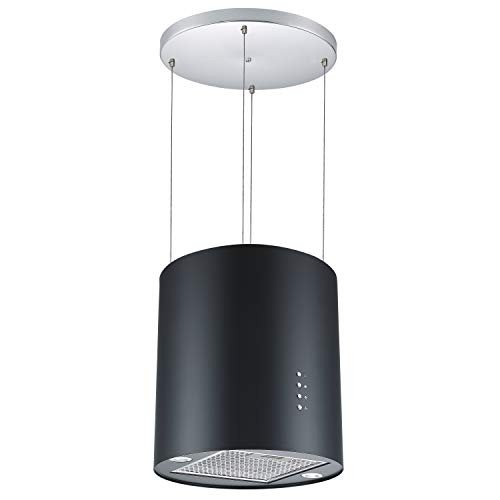
| Island Hoods | Installed above an island without wall support. | Aesthetic appeal; effective ventilation | Greater installation cost; might need electrical work |
Advantages of Oven Extractor Fans
Setting up an oven extractor fan in the kitchen provides several benefits:
- Improved Air Quality: Removes smoke, humidity, and cooking odors, helping keep clear air.
- Health Benefits: Reduces indoor air toxins, which can assist prevent respiratory problems.
- Grease and Residue Reduction: Catches grease particles, decreasing residue on walls and ceilings.
- Heat Reduction: Helps to keep the kitchen cooler by removing excess heat from cooking activities.
- Enhanced Cooking Experience: Creates a more enjoyable environment for cooking, making it pleasurable instead of difficult.
Choosing the Right Oven Extractor Fan
When picking an oven extractor fan, several elements require to be considered:
Table: Factors to Consider When Choosing an Oven Extractor Fan
| Element | Description |
|---|---|
| Ventilation Type | Figure out if a ducted or ductless fan fits your requirements. |
| Suction Power (CFM) | CFM (Cubic Feet per Minute) suggests the fan’s power; greater CFM is better for heavy cooking. |
| Size | Match the fan size to your cooking surface width for effective ventilation. |
| Sound Level | Check the decibel ranking; quieter fans boost the cooking experience. |
| Style | Consider looks; choose a style that complements your kitchen decoration. |
| Ease of Cleaning | Some materials and styles are easier to tidy than others. |
Setup Tips
Setting up an oven extractor fan can be a complex endeavor, depending on the type and existing kitchen setup. Here are some essential pointers:
- Hire a Professional: For ducted hoods, think about getting aid from a licensed installer.
- Procedure Correctly: Take precise measurements of the stove to ensure proper fitment and placement.
- Check Local Codes: Ensure compliance with regional building codes, particularly for duct installation.
- Positioning: The fan should be installed 24-30 inches above the stove for optimal efficiency.
- Electrical Requirements: Ensure that there are suitable electrical supplies and outlets for the fan.
Maintenance of Oven Extractor Fans
Routine maintenance is essential for the longevity and effectiveness of an oven extractor fan. Here are some crucial upkeep pointers:
- Clean Filters Regularly: Depending on usage, filters should be cleaned or changed every 1-3 months.
- Examine Ducts: Ducts should be examined for blockages or particles at least once a year.
- Clean Down Exterior: The external surface must be cleaned down with a mild cleanser weekly to keep its look.
- Check the Motor: Ensure the motor is working correctly; listen for unusual noises or decreased performance.
Regularly Asked Questions (FAQ)
1. How do I know if my oven extractor fan is working properly?
- If the fan is running, however you observe remaining odors or smoke in the kitchen, it might not be working effectively. Examine filters and ducts for blockages.
2. Can I use a ductless extractor fan if my kitchen doesn’t have external ducts?
- Yes, ductless extractor fans utilize filters to clean up the air and recirculate it back into the kitchen, making them a practical option for kitchens without external ducting.
3. How loud are oven extractor fans?
- Sound levels vary by model; examine the decibel score before purchasing. Typically, quieter fans are preferred.
4. What is CFM, and why is it important?
- CFM represents Cubic Feet per Minute, which measures the volume of air that the fan can move. Higher CFM ratings are preferred for kitchens where heavy cooking occurs.
5. How frequently should I change my extractor fan filters?
- This depends on use, but typically, it’s recommended to clean them every month and change them every 3-6 months.
An oven extractor fan is an important component of any kitchen, supplying ventilation, enhancing air quality, and improving the general cooking experience. With a broad variety of options offered, it’s essential to examine your particular requirements, think about maintenance requirements, and make an informed choice. Whether you are a newbie cook or a cooking enthusiast, the right oven extractor fan will undoubtedly raise your kitchen experience while contributing to a cleaner, healthier environment.