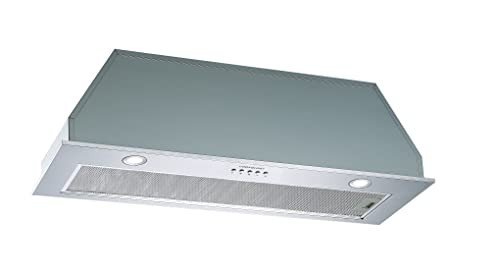

Cooker Hood Extractor
Add a review FollowOverview
-
Founded Date 21/11/1910
-
Sectors School
-
Posted Jobs 0
-
Viewed 5
Company Description
10 Things Competitors Help You Learn About Cooker Extractor Hood
Understanding Cooker Extractor Hoods: A Comprehensive Guide
In modern kitchens, the cooker extractor hood is more than simply an accessory; it is a crucial element that makes sure a comfortable and clean cooking environment. This article dives deep into what cooker extractor hoods are, their functions, different types, crucial factors to consider for selection, and regularly asked concerns. Whether house owners are remodeling their kitchens or just wanting to upgrade their cooking devices, understanding the role of an extractor hood can assist make informed decisions.
What is a Cooker Extractor Hood?
A cooker extractor hood, also called a range hood or kitchen hood, is a gadget set up over the cooktop or stove. Its primary function is to aerate the kitchen by getting rid of air-borne grease, smoke, steam, and odors produced throughout cooking. This not just enhances air quality however likewise helps in preserving the kitchen’s tidiness.
Functions of Cooker Extractor Hoods
The primary functions of an extractor hood include:
- Filtration: Removing airborne particles and smells through filters.
- Ventilation: Providing fresh air by drawing in stale air, grease, and smoke.
- Lighting: Offering lighting over the cooking area for much better visibility.
- Heat Regulation: Preventing excess heat from collecting in the kitchen.
Kinds Of Extractor Hoods
Cooker Extractor Hoods (https://www.rolandobiscahall.top) can be found in different types, each suited for various kitchen styles and cooking styles. Below is a table summing up the different types:
| Type | Description | Pros | Cons |
|---|---|---|---|
| Wall-Mounted | Connected to the wall above the stove. | Efficient suction, space-saving | Requires wall space, setup can be intricate |
| Under-Cabinet | Fits underneath cabinetry. | Discreet, convenient for small areas | May have lower suction power |
| Island | Suspended from the ceiling, ideal for kitchen islands. | Aesthetic appeal, efficient ventilation | More expensive, might need expert installation |
| Downdraft | Constructed into the cooktop, rises during usage and pulls back when not needed. | Streamlined style, saves overhead space | Typically less effective than standard hoods |
| Filterless | Uses innovative filtration technology, decreasing grease and odors without traditional filters. | Less maintenance, longer lifespan | Generally higher rate point, might not fit all kitchen designs |
Key Considerations for Choosing a Cooker Extractor Hood
When selecting a cooker extractor hood, several aspects should be thought about to optimize performance and ensure viability for specific kitchen needs:
1. Size
Guarantee the hood is at least as broad as the cooktop. Optimum sizing is necessary for reliable air capture. For a much better fit, consider:
- Standard cooktops: 30 inches hoods
- Expert cooktops: 36 inches or larger hoods
2. Suction Power (CFM)
The airflow of the hood is measured in Cubic Feet per Minute (CFM). A higher CFM shows better ventilation, which is crucial for heavy cooking.
Recommended CFM:
- Light cooking (e.g., boiling, steaming): 200-300 CFM
- Moderate cooking (e.g., sautéing, frying): 300-600 CFM
- Heavy cooking (e.g., grilling, wok cooking): 600+ CFM
3. Ducted vs. Ductless
- Ducted: Ventilates outdoors, highly effective but requires installation of ductwork.
- Ductless: Filters air and recirculates it back into the kitchen; setup is easier however might not be as efficient.
4. Sound Level (Sonnes)
Pay attention to the noise level, specifically in open-concept homes. Look for hoods that run silently, preferably producing less than 60 decibels on high speed.
5. Style and Aesthetics
Choose a hood that matches the general kitchen design. Alternatives can range from modern stainless-steel to standard styles that blend seamlessly.
6. Reduce of Maintenance
Think about models with detachable, dishwasher-safe filters to alleviate cleaning efforts. Some designs feature filter tips or indicators to notify users when a modification is needed.
Benefits of Installing a Cooker Extractor Hood
Integrating a cooker extractor hood into the kitchen offers numerous notable advantages:
- Improved Air Quality: Filters and distributes fresh air, minimizing cooking smells.
- Improved Comfort: Minimizes heat and steam retention.
- Cleaner Kitchens: Reduces grease accumulation on cabinets and walls.
- Visual Appeal: Modern hoods act as decorative elements.
Often Asked Questions (FAQ)
1. How frequently should I clean my cooker extractor hood?
It is suggested to clean up the filters every 1-3 months, depending on use frequency. Regular cleaning prevents grease buildup, ensuring optimal efficiency.
2. Can I set up a cooker extractor hood myself?
While some designs are developed for easy DIY installation, complex ductwork or heavy models might need expert setup to ensure safety and effectiveness.
3. How do I identify the right CFM for my kitchen?
Step your cooktop dimensions and consider cooking designs. A general guideline is 1 CFM for every 100 BTUs of the stove’s maximum heat output.
4. What type of hood is best for a small kitchen?
Under-cabinet hoods or downdraft models are ideal for small kitchens due to their compact design, conserving important area without compromising function.
5. Are all extractor hoods noisy?
No, sound levels vary considerably. Search for hoods that provide a higher CFM at lower decibels for a quieter performance.
Buying a proper cooker extractor hood is essential for creating a cleaner and more comfy cooking environment. By understanding the different types, functions, and key considerations in picking a hood, house owners can significantly improve their kitchen experience. With the ideal extractor hood in place, you’ll take pleasure in fresher air, lowered odors, and a more welcoming kitchen area that’s as functional as it is trendy.