
Container 30ft
Add a review FollowOverview
-
Founded Date 27/10/1906
-
Sectors College
-
Posted Jobs 0
-
Viewed 13
Company Description
The 10 Scariest Things About 30 Shipping Container
The Versatile World of Shipping Containers: 30 Creative Uses
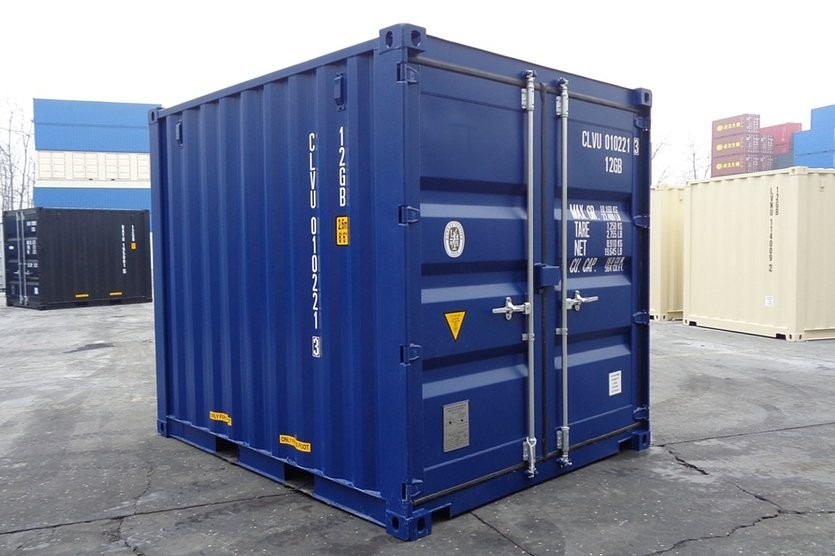
Shipping containers have transcended their preliminary purpose of transferring products throughout oceans and borders. Today, they serve a plethora of functions, ranging from real estate to leisure spaces and even agricultural practices. This article checks out 30 ingenious uses for shipping containers, showcasing their adaptability and capacity.
Why Use Shipping Containers?
Before diving into the particular applications, it’s crucial to comprehend why shipping containers are a desirable choice for a lot of. Here’s a quick rundown of their advantages:
| Advantages | Details |
|---|---|
| Resilience | Made from steel, they can hold up against harsh weather conditions. |
| Economical | Lower preliminary financial investment compared to conventional structure techniques. |
| Portability | Easy to transfer and move due to their standardized sizes. |
| Customizable | Can be customized to fit different needs and preferences. |
| Eco-Friendly | Utilizing upcycled containers assists in lowering waste. |
Innovative Uses for Shipping Containers
Now that we’ve developed the advantages of shipping containers, let’s look at 30 Shipping Container innovative uses for them.
| Job | Description |
|---|---|
| 1. Residential Homes | Containers can be stacked and transformed into environmentally friendly homes. |
| 2. Pop-Up Cafes and Restaurants | Lots of entrepreneurs utilize containers for versatile dining services. |
| 3. Offices | Shipping containers can be changed into trendy and practical work spaces. |
| 4. Art Galleries | Artists have started to use containers as special exhibition spaces. |
| 5. Portable Workshops | Great for artisans requiring a mobile office. |
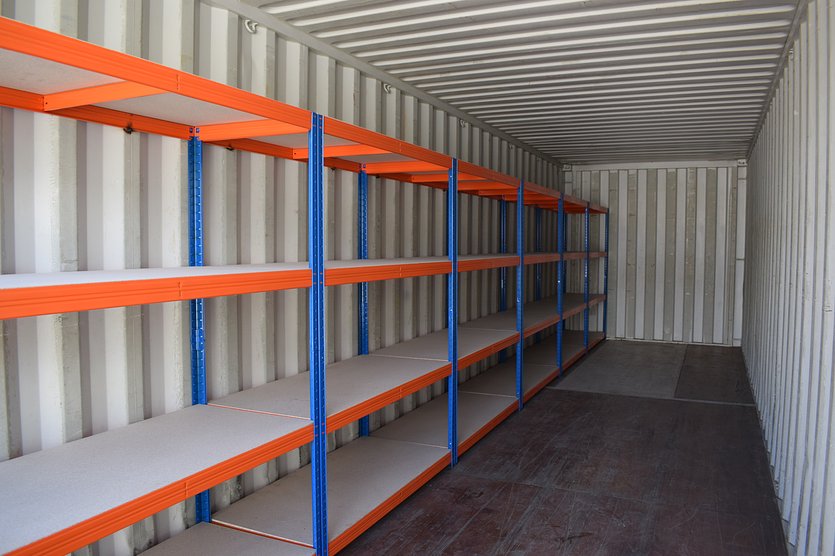
| 6. Storage Solutions | Ideal for both organizations and households requiring extra storage. |
| 7. Neighborhood Centers | Can be utilized to develop communities with shared resources and collecting areas. |
| 8. Schools | Containers can work as classrooms for educational organizations. |
| 9. Gardening Spaces | With some adjustments, they can work as greenhouses for metropolitan farming. |
| 10. Fitness Studios | Lots of have actually turned containers into health clubs or yoga studios. |
| 11. Toilets | Portable restroom facilities for outdoor events or festivals. |
| 12. Artistic Installations | Utilized in public spaces for innovativeart displays. |
| 13. Emergency situation Shelters | Containers can rapidly be changed into protected momentary housing throughout crises. |
| 14. Medical Clinics | Offer immediate medical assistance in underserved areas. |
| 15. Retail Stores | A growing pattern is to create unique shopping experiences in containers. |
| 16. Music Venues | Perfect for pop-up shows or festivals. |
| 17. Info Booths | Utilized in parks or occasions to offer information and assistance. |
| 18. Mobile Homes | Can be fitted with energies to work as mobile property systems. |
| 19. Emergency Situation Response Units | Perfect for setups in disaster-stricken areas. |
| 20. Breweries | Some craft breweries have set up operations within transformed containers. |
| 21. Tiny Hotels | Container-based hotels are a growing trend in tourist. |
| 22. Art Studios | Artists discover containers practical for studio space, specifically in urban locations. |
| 23. Libraries | An ingenious technique to neighborhood libraries utilizing shipping containers. |
| 24. Event Spaces | Can be transformed into distinct locations for wedding events, celebrations, and events. |
| 25. Firework Stands | Safe storage and retail space for seasonal start-ups. |
| 26. Research Facilities | Developing mobile research stations for researchers in fieldwork. |
| 27. Security Checkpoints | Perfect for setting up security offices at events or building and constructions websites. |
| 28. Play grounds | Containers can be utilized creatively for children’s play locations. |
| 29. Shipping Container Farms | Farms made from these containers utilize hydroponics for city agriculture. |
| 30. Smart Homes | Integration of technology to produce smart home in containers. |
Regularly Asked Questions (FAQ)
1. Are shipping container homes safe?
Yes, shipping container homes are durable and can be strengthened to ensure safety. They can be just as safe as conventional homes when constructed correctly.
2. What are the costs associated with transforming a shipping container?
Expenses can differ significantly based on renovations and place, but normally, a fundamental container starts at around ₤ 2500, with overall setups often varying from ₤ 10,000 to over ₤ 100,000.
3. Do shipping container projects need a license?
Yes, most locations require authorizations for building and construction and modifications, including shipping container usage. It’s always wise to check regional guidelines before starting a job.
4. The length of time does it take to construct a shipping container home?
The time frame can vary from a few weeks to a number of months, depending on intricacy, customization, and regional structure licenses.
5. Are shipping containers insulated?
A lot of shipping containers are not insulated, but they can be easily customized to include insulation and HVAC systems, making them livable year-round.
Shipping containers are no longer limited to their original purpose. Their sturdiness, portability, and versatility make them perfect products for a large range of imaginative and practical applications. From homes to dining establishments and even clinics, they represent sustainable solutions to modern-day obstacles. As innovation continues to shape using these structures, there’s no informing what other imaginative ideas will emerge, making shipping containers an interesting element of contemporary living and enterprise.