

30ft Steel Containers
Add a review FollowOverview
-
Founded Date 05/05/1908
-
Sectors College
-
Posted Jobs 0
-
Viewed 33
Company Description
The 10 Most Scariest Things About 30ft Shipping Containers
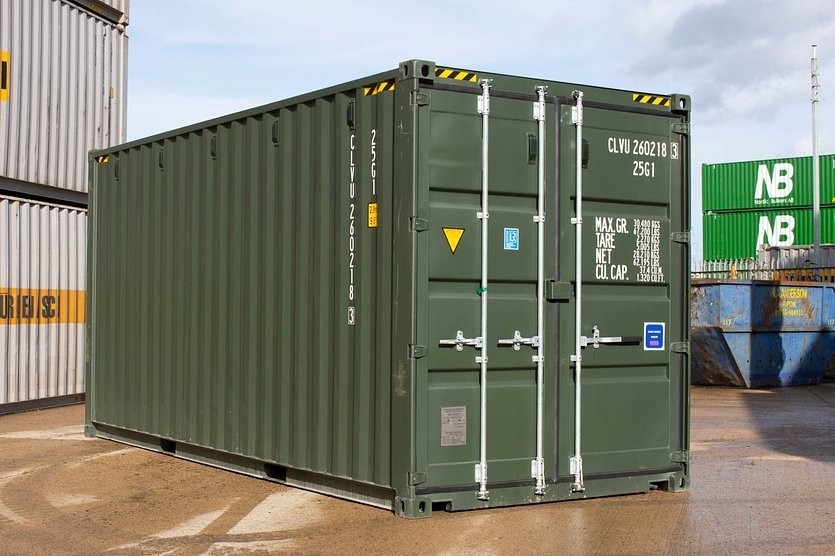
Understanding 30ft Shipping Containers: Versatility on the Seas and Beyond
Shipping containers have actually changed the landscape of international trade, providing a versatile and safe and secure methods for carrying items across vast ranges. Among the variety of container sizes available, the 30ft shipping container stands out for its special size that accommodates numerous applications. This post looks into the functions, benefits, utilizes, and storage capacities of 30ft shipping containers, assisting readers understand why they are a versatile choice for numerous.
What Is a 30ft Shipping Container?
A 30ft shipping container, as the name recommends, determines around 30 feet in length. Unlike the standard 20ft and 40ft containers, the 30ft variant deals an extraordinary balance of area and maneuverability, making it suitable for a variety of industrial and domestic functions.
| Dimensions | Measure |
|---|---|
| Length | 30 ft (9.14 m) |
| Width | 8 ft (2.44 m) |
| Height | 8.5 ft (2.59 m) |
| Internal Volume | 1,680 cu ft (47.5 m ³) |
| Tare Weight | 3,000 lbs (1,360 kg) |
| Maximum Payload | 26,000 lbs (11,793 kg) |
Benefits of 30ft Shipping Containers
-
Versatility: Ideal for a range of applications from storage to portable workplaces and even homes, the 30ft shipping container’s size makes it magnificently adaptable for various requirements.
-
Transportability: While longer shipping containers require bigger automobiles for transportation, the 30ft alternative is easier to move, making it suitable for small services and projects that require mobility.
-
Cost-Effectiveness: Generally, 30ft shipping containers come at a lower purchase and transportation cost compared to the bigger options, attracting budget-conscious buyers.
-
Resilience: Built from robust steel, 30ft shipping containers offer high resistance to weather and effect, ensuring the security of saved items.
-
Security: These containers typically come geared up with lockable doors, providing a safe and secure storage service versus theft and vandalism.
-
Eco-Friendliness: By repurposing utilized shipping containers, organizations and individuals can add to sustainability efforts without the ecological effect of new building and constructions.
Typical Uses of 30ft Shipping Containers
1. Storage Solutions
Numerous companies and people go with 30ft shipping containers as storage centers. Whether for seasonal inventory, tools, or equipment, these containers offer secure, weather-resistant storage.
2. Modular Offices
With appropriate insulation, lighting, and ventilation, a 30ft shipping container can easily be converted into a functional office. Companies in building and construction and other outside industries often use container workplaces for increased movement and lower overhead expenses.
3. Living Spaces
Tiny home lovers are progressively making use of shipping containers as living spaces. A 30ft container can act as a compact house geared up with necessary facilities, dealing with more minimalist, budget friendly living solutions.
4. Pop-Up Retail Spaces
The appeal of trendy pop-up shops and food stalls has caused the use of shipping containers as mobile retail spaces. A 30ft container offers adequate space for merchandising while ensuring an unique aesthetic.
5. Emergency situation Housing
Organizations included in disaster healing typically use shipping containers as short-term real estate units. Their structural integrity offers security in emergency circumstances, making them a possession in relief efforts.
| Application | Information |
|---|---|
| Storage Solutions | Secure, weather-resistant storage |
| Modular Offices | Transformed into functional office |
| Living Spaces | Inexpensive small homes or getaway rentals |
| Pop-Up Retail Spaces | Special mobile retail or food stalls |
| Emergency situation Housing | Short-lived real estate for disaster-affected locations |
Frequently Asked Questions about 30ft Shipping Containers
Q1: How much do 30ft shipping containers cost?
A: The price of a 30ft shipping container can vary depending on its condition (new or used), area, and shipment costs. Generally, costs range from ₤ 2,500 to ₤ 6,000.
Q2: Do 30ft shipping containers require any upkeep?
A: While they are usually low-maintenance, it is a good idea to look for rust, leakages, and structural stability regularly. Keeping them tidy and well-painted can lengthen their life-span.
Q3: Can I tailor a 30ft shipping container?
A: Yes! Lots of companies use modification options including insulation, windows, doors, electrical wiring, and more to satisfy specific needs.
Q4: How do I carry a 30ft shipping container?
A: Transportation normally requires a flatbed truck or a shipping container trailer. It’s recommended to deal with professionals experienced in container transport to ensure security.
Q5: Can I stack 30ft shipping containers?
A: Yes, containers can be stacked up to two high. However, appropriate equipment and procedures need to be followed to guarantee stability and safety.
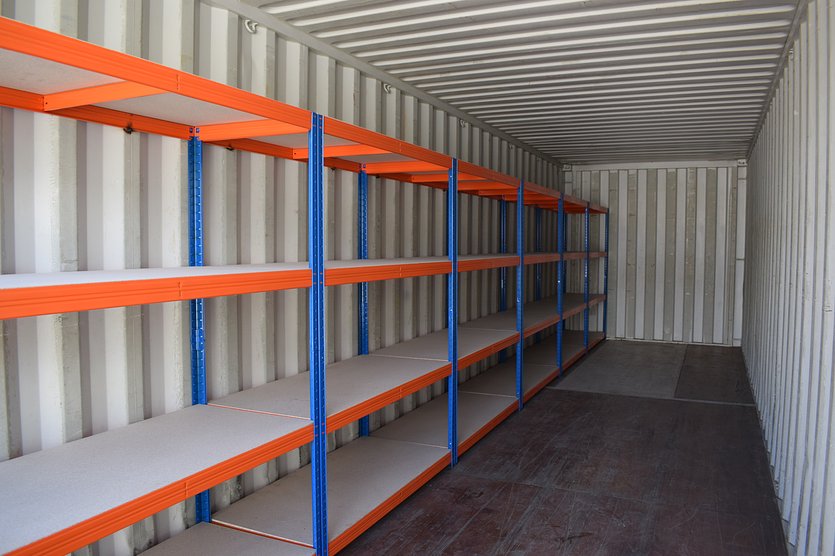
The 30ft shipping container represents a sweet spot for numerous applications, combining sufficient area with versatility. Whether for storage, office, or sustainable living options, this container size adapts to the needs of companies, occasion coordinators, and individuals alike. With increasing awareness of environment change and sustainable practices, the usage of shipping containers is definitely one of the ingenious opportunities for cost-effective services in the contemporary world. As markets evolve, the 30ft shipping container remains a sign of flexibility, creativity, and resourcefulness in an unpredictable landscape.
Additional Resources
- – Provides guidelines and best practices for container use.
- – Explores environmentally friendly practices in the shipping market.
By understanding the features, advantages, and varied applications of 30ft shipping containers, readers can make informed choices and take advantage of this resource for their unique needs.