

30′ Container
Add a review FollowOverview
-
Founded Date 25/08/1966
-
Sectors College
-
Posted Jobs 0
-
Viewed 18
Company Description
Guide To 30 Feet Container: The Intermediate Guide For 30 Feet Container
Understanding 30 Feet Containers: Capacity, Uses, and Advantages
Shipping containers have actually changed the way products are transported and kept, being associated with performance and convenience. Among numerous sizes available, the 30 feet container stands out due to its special qualities. This post delves into the specifics of the 30 feet container, analyzing its dimensions, capability, uses, advantages, and frequently asked questions.
Dimensions and Capacity of 30 Feet Containers
A 30 feet container mostly is available in two types: standard and high cube. Below, you will discover a table showcasing the dimensions and capabilities for both types.
| Container Type | Length (Feet) | Width (Feet) | Height (Feet) | Internal Volume (Cubic Feet) | Max Payload (pounds) |
|---|---|---|---|---|---|
| Standard | 30 | 8 | 8.5 | 1,845 | 51,000 |
| High Cube | 30 | 8 | 9.5 | 1,988 | 51,000 |
Benefits of Using a 30 Feet Container
Selecting a 30 feet container for shipping or storage functions uses several advantages:
- Increased Storage Capacity: With its length, it offers ample space for larger products or more products, decreasing the variety of trips needed for transportation.
- Versatile Applications: These containers can deal with different needs, from building websites to long-lasting storage options.
- Cost-effectiveness: Compared to smaller containers, a 30 feet container can be more economical wholesale transport, decreasing the overall shipping costs.
- Movement: As with all shipping containers, they can be easily carried through truck, train, or ship, making logistics smooth.
- Security: Containers are created with strong products and locking mechanisms, making sure the security of products saved within.
- Adjustable: They can be modified to fit specific requirements, such as refrigeration for food items or ventilation for air flow.
Common Uses of 30 Feet Containers
Given their size and adaptability, 30 feet containers have numerous applications. Here’s a list of typical uses:
- Residential Storage: Ideal for house owners needing additional area throughout remodellings or movings.
- Building Sites: Used for storing tools, devices, and materials firmly.
- Business Shipping: Suitable for shipping bulk goods and commercial materials.
- Event Management: Used as short-term storage services during large occasions or wedding events.
- Retail: Emerging as pop-up stores or portable retail spaces.
- Short-term Housing: They can be transformed into living quarters for workers in remote areas.
- Disaster Relief: Serving as mobile units for aid circulation after natural catastrophes.
FAQs about 30 Feet Containers
1. What products can be kept in a 30 feet container?
A 30 feet container can store a vast array of products, consisting of furnishings, construction devices, automobiles, retail items, and even boats, depending on the configuration.
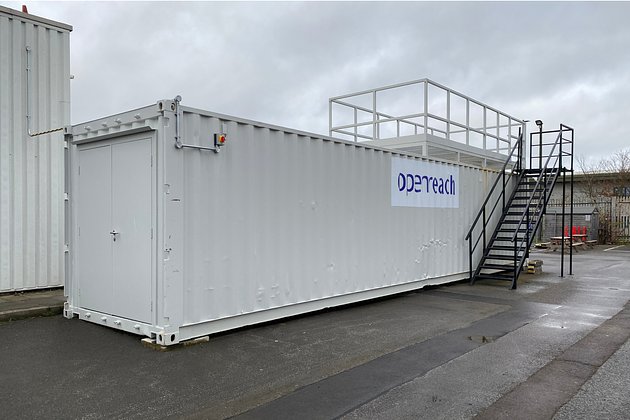
2. How much does a 30 feet container weigh?
The weight of a 30 feet container differs based on its type (standard or high cube) however typically varies from 4,000 to 8,000 pounds when empty. The optimum payload capability is about 51,000 pounds, that includes freight weight.
3. Can a 30 feet container be shipped overseas?
Yes, a 30 feet container appropriates for international shipping. However, extra factors to consider such as shipping guidelines and customizeds clearance must be taken into account.
4. The length of time can I lease a 30 feet container?
Rental periods can differ commonly based upon the rental supplier. Some companies may use short-term leasings starting from a day to longer-term contracts covering months or years.
5. Exist insulation options readily available?
Yes, numerous business provide insulated variations of 30 feet containers that help control temperature, making them suitable for disposable goods.
6. How can I customize a 30 feet container?
Custom-made adjustments might include adding windows, doors, air conditioning systems, insulation, and electrical outlets, depending on your specific needs.
7. Where can I purchase or lease a 30 feet container?
Numerous business focus on selling or renting shipping containers. Regional producers or online sellers can supply options to match your needs.
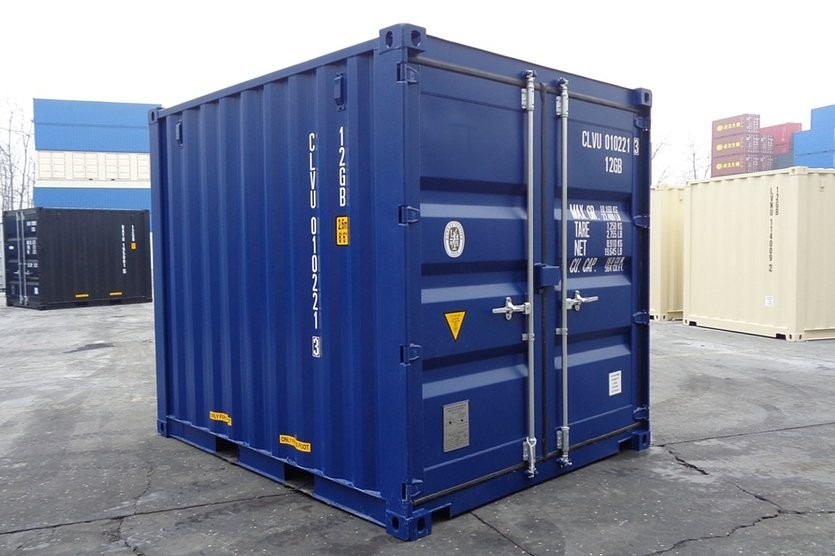
The 30 Feet Container (www.brunodyke.top) is a robust and versatile unit that serves myriad functions in transport and storage. Varying from residential usages to considerable commercial applications, its benefits of security, cost-effectiveness, and flexibility make it an exceptional choice for many logistical obstacles.
When thinking about a shipping container, it’s essential to evaluate the requirements of your task carefully, including the items to be saved, period of use, and any particular modifications required. As you explore the different choices, knowing how a 30 feet container can work for you will lead the way for effective preparation and execution.
Whether you are a property owner needing extra storage, a contractor looking to secure your tools, or a service intending to optimize effectiveness in shipping, a 30 feet container may simply be the option you require.