

3 Wheel Pram
Add a review FollowOverview
-
Founded Date 15/08/1963
-
Sectors School
-
Posted Jobs 0
-
Viewed 26
Company Description
The 10 Scariest Things About 3 Wheeler Pushchair
The Versatile World of 3-Wheeler Buggies: Everything You Need to Know
Recently, the 3-wheeler buggy has gained popularity amongst lovers and casual riders alike. With its distinct style, maneuverability, and energy, this car falls somewhere in between an all-terrain automobile (ATV) and a go-kart, using motorists an exhilarating experience and flexibility for different activities. This comprehensive guide will check out the features, benefits, and factors to consider concerning 3 Wheeler Pushchair-wheeler buggies, in addition to answering some frequently asked questions.
What is a 3-Wheeler Buggy?
A 3-wheeler buggy is a lightweight vehicle characterized by its three-wheel configuration. Designed primarily for recreational usage, these buggies can pass through numerous terrains, making them perfect for leisure rides, off-road adventures, and even racing occasions. Generally, a 3-wheeler buggy features a seat for the motorist, a harness for security, and an effective engine to navigate rugged landscapes.
Key Features of a 3-Wheeler Buggy
| Function | Description |
|---|---|
| Three-Wheel Design | The unique configuration boosts stability while keeping agility. |
| Powerful Engine | A lot of designs come equipped with engines ranging from 100cc to 800cc, depending on the type of buggy. |
| Lightweight Frame | Constructed from durable products such as aluminum or strengthened plastic for durability without excess weight. |
| Security Features | Lots of buggies come with roll cages, safety belts, and in some cases even suspension systems to take in shocks. |
| Maneuverability | The design permits sharper turns and a tighter turning radius compared to four-wheeled lorries. |
| Customization Options | Owners can frequently customize their buggies with various devices, decals, and aftermarket parts. |
Advantages of 3-Wheeler Buggies
1. Cost
Compared to conventional ATVs or four-wheeled lorries, 3-wheeler buggies tend to be more affordable. Their lower rate point makes them an attractive choice for everyday adventurers.
2. Alleviate of Use
The lighter weight and three-wheel style of a buggy provide a more approachable driving experience for beginners. Numerous models are instinctive to operate, making them appropriate for riders of all skill levels.
3. Compact Size
3-wheeler buggies are more compact than their four-wheeled equivalents, allowing for simple transport and storage. This function is beneficial for people with minimal area or those who need to haul the lorry.
4. Surface Versatility
These buggies can deal with numerous surfaces, from sandy beaches to rocky trails, making them ideal for various recreational activities. Whether it’s cruising around the neighborhood or navigating off-road paths, a 3-wheeler buggy caters to diverse needs.
5. Special Driving Experience
Driving a three-wheeled vehicle provides an unique experience. The thrill of guiding with less contact with the ground elevates the enjoyment of the ride, making it satisfying for thrill-seekers.
6. Eco-Friendly Options
Several makers are beginning to produce electric and hybrid designs of 3-wheeler buggies, making them a more eco-friendly alternative. This trend lines up with the growing interest in sustainable outside activities.
Prospective Disadvantages
While there are numerous advantages to owning a 3-wheeler buggy, potential purchasers must likewise think about prospective disadvantages:
| Disadvantages | Details |
|---|---|
| Stability Challenges | On particular terrains or speeds, a 3-wheeled setup can be less steady compared to four-wheeled lorries. |
| Less Storage Space | The compact style may limit area for transferring gear and other equipment. |
| Minimal Passenger Capacity | Most models are created for one or two occupants, making them less ideal for larger groups. |
| Knowing Curve | Though they are beginner-friendly, some users might take some time to adapt to the handling differences. |
Elements to Consider When Purchasing a 3-Wheeler Buggy
When pondering the purchase of a 3-wheeler buggy, it’s important to assess different factors to ensure you pick the ideal model for your requirements. Here are some factors to consider:
-
Intended Use: Will the buggy be utilized for casual cruising, racing, off-roading, or a mix of activities? This will affect your option of model.
-
Engine Size: Depending on your riding style and surface, think about the size of the engine. Smaller engines appropriate for light use, while larger engines are better for efficiency.
-
Weight Capacity: Ensure the buggy can accommodate the weight of the chauffeur(s) and any equipment they prepare to carry.
-
Safety Features: Look for designs with security features such as roll cages, harnesses, and brakes created for a 3-wheeled setup.
-
Upkeep Requirements: Research the maintenance requires and accessibility of parts for the model you want to pick.
-
Budget: Set a budget plan that includes the preliminary purchase cost, insurance, maintenance, and any additional devices you might desire.
Regularly Asked Questions (FAQ)
Q1: Are 3-wheeler buggies legal on public roads?
A1: The legality of 3-wheeler buggies on public roadways varies by state or country. It’s necessary to examine regional laws and regulations regarding registration, insurance coverage, and the use of off-road cars on public streets.
Q2: Can 3-wheeler buggies be customized?
A2: Yes, many owners customize their buggies for performance or aesthetics. Common modifications consist of enhanced suspension systems, updated engines, or included accessories such as lights and storage compartments.
Q3: How quick can a 3-wheeler buggy go?
A3: The speed of a 3-wheeler buggy depends upon the engine size and model. Many can reach speeds varying from 30 miles per hour to over 60 miles per hour, while performance-oriented designs might go beyond that range.
Q4: What security gear should I use while driving a 3-wheeler buggy?
A4: Safety equipment is crucial when driving any motorized car. At a minimum, use a helmet, gloves, goggles, and sturdy shoes. Consider extra protective clothes, such as knee pads and elbow pads.
Q5: Where can I find parts for my 3-wheeler buggy?
A5: Replacement parts can often be discovered through the maker’s site, licensed dealers, and specialized aftermarket suppliers. Online markets also provide a vast array of parts.
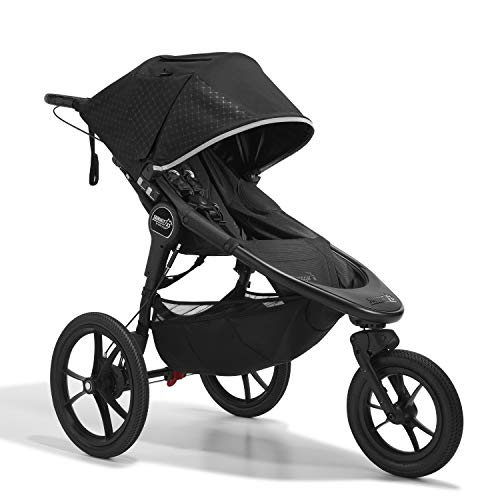
The 3-wheeler buggy is a captivating lorry that combines fun with performance. Its capability to pass through diverse surfaces and supply an exhilarating driving experience contributes to its growing appeal. When thinking about a 3-wheeler buggy, it’s important to weigh the numerous elements, consisting of use, engine size, security, and spending plan.
With the best design, owners can start numerous experiences, delighting in the thrill of driving a special and nimble vehicle while maneuvering through sandy beaches or rocky backroads. Whether for leisure, racing, or off-road exploration, the 3-wheeler buggy is a flexible choice for any enthusiast looking for excitement on wheels.