

Extractor Cooker Hood
Add a review FollowOverview
-
Founded Date 07/09/1917
-
Sectors College
-
Posted Jobs 0
-
Viewed 16
Company Description
Ten Cooker Fans That Really Change Your Life
The Essential Guide to Cooker Fans: Enhancing Efficiency in Your Kitchen
In the cooking world, having the right tools can make all the difference in the kitchen experience. Among these tools, cooker fans, also known as cooker hoods or range hoods, play a critical function in maintaining a tidy and comfy cooking environment. This post looks into the significance of cooker fans, their types, performances, advantages, setup, and maintenance.
What is a Cooker Fan?
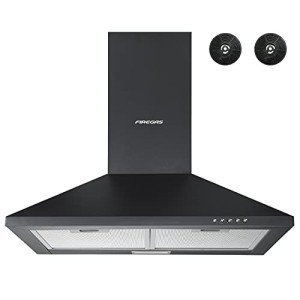
A cooker fan is a kitchen home appliance designed to help remove smoke, steam, and smells produced while cooking. Positioned above the cooktop, it records airborne particles and expels them outside or filters and recirculates the air back into the kitchen, depending upon the system type.
Types of Cooker Fans
| Type | Description | Ideal Use |
|---|---|---|
| Wall-Mounted | Normally set up straight on the wall above the cooktop. | No islands or area problems. |
| Under-Cabinet | Installed underneath kitchen cabinets, efficiently making use of space. | Small kitchens. |
| Island | Suspended above an island cooktop for a vibrant aesthetic statement. | Open concept kitchens. |
| Downdraft | Integrated into the cooktop, increases during operation, and retracts when not in usage. | Minimalist designs. |
| Place | Designed to fit inside kitchen cabinetry or custom hoods. | Custom-made setups. |
How Cooker Fans Work
Cooker fans typically operate in 2 ways: ducted and ductless systems.
-
Ducted Systems: These fans extract air through a duct and expel it outside. This technique is frequently thought about more efficient since it completely gets rid of smells, smoke, and heat from the cooking area.
-
Ductless Systems: These fans utilize a filtering mechanism to cleanse the air before recirculating it back into the kitchen. While they are simpler to install than ducted systems, they might not eliminate all odors as efficiently.
Secret Features of Cooker Fans
- Suction Power: Measured in cubic feet per minute (CFM), this indicates how successfully a cooker fan can extract air. The higher the CFM, the more powerful the fan.
- Sound Level: Measured in sones, many modern fans operate quietly, permitting comfy cooking environments.
- Filters: Most fans consist of metal or charcoal filters to record grease and smells. Metal filters are washable and recyclable, while charcoal filters typically need replacement.
- Lighting: Integrated lighting offers better presence while cooking and boosts ambiance.
Advantages of Using Cooker Fans
Making use of cooker fans offers various benefits:
-
Improved Air Quality: By removing smoke and odors, these fans make sure that cooking air remains tidy and devoid of toxins.
-
Improved Comfort: Cooker fans assist keep a comfy kitchen temperature level by getting rid of steam and heat produced during cooking.
-
Fire Safety: By efficiently extracting flammable fumes from the cooking procedure, cooker fans play an important function in kitchen fire avoidance.
-
Lowered Grease Buildup: Proper ventilation prevents grease from collecting on surfaces, thereby lowering the need for frequent cleansing.
-
Visual Appeal: Cooker fans come in various styles that can enhance the general appearance of your kitchen.
Popular Cooker Fan Models
| Model | Type | CFM | Sound Level (Sones) | Price Range |
|---|---|---|---|---|
| Broan-NuTone | Under-Cabinet | 300 | 2.0 | ₤ 100 – ₤ 300 |
| ZLINE | Island | 400 | 4.0 | ₤ 500 – ₤ 1,200 |
| Bosch | Wall-Mounted | 500 | 2.5 | ₤ 800 – ₤ 1,800 |
| Whirlpool | Ductless | 300 | 1.5 | ₤ 150 – ₤ 400 |
| Faber | Downdraft | 700 | 5.0 | ₤ 1,000 – ₤ 2,500 |
Setting Up a Cooker Fan
While lots of property owners might go with expert setup, it is essential to understand the basic installation process:
- Choosing the Right Location: Position the fan directly above the cooktop, ideally 24-30 inches high for maximum efficiency.
- Electrical Connections: Ensure appropriate electrical wiring for the fan and the switch, following local electrical codes.
- Ventilation: For ducted designs, guarantee appropriate ductwork setup to route fumes outside.
- Mounting: Securely install the fan to the wall or under cabinets using the offered brackets and screws.
Maintenance Tips
To ensure your cooker fan functions efficiently, routine maintenance is important:
- Clean Filters: Remove and tidy metal filters on a monthly basis and change charcoal filters according to the manufacturer’s standards.
- Look for Blockages: Inspect and clear ductwork of any debris or obstructions every few months to preserve airflow.
- Dust and Wipe Down: Regularly dust and wipe down the outside of the cooker fan to keep it looking brand-new and working efficiently.
- Listen for Unusual Noises: If the fan runs abnormally loudly, it may show a problem that requires attention.
Frequently Asked Questions (FAQ)
Q1: How do I know what size cooker fan I need?
A: Choose a fan with a CFM ranking that matches your cooking habits. For standard cooking needs, 300 CFM is normally adequate. For heavy cooking (barbecuing, frying), select fans ranked at 400 CFM or above.
Q2: Can a cooker fan be used with an induction cooktop?
A: Yes, cooker fans can be successfully utilized with induction cooktops. However, make certain to choose a design that accommodates the cooktop’s design and venting requirements.
Q3: Are ductless cooker fans efficient?
A: Ductless cooker fans can filter and recirculate air, but they might not remove all odors as effectively as ducted systems. They are practical for kitchens without external venting choices.
Q4: How typically should I replace the filters?
A: Metal filters can usually be cleaned and reused, but charcoal filters ought to be changed every 6 to 12 months, depending on usage.
Q5: What is the very best position for a cooker fan?
A: The ideal position for a cooker fan is 24-30 inches above the cooking surface area to effectively record smoke and steam without obstructing your cooking area.
Cooker fans are essential devices in modern kitchens, offering a variety of designs, functions, and benefits. They add to enhanced air quality and kitchen comfort, making cooking a more satisfying experience. When selecting and maintaining a cooker fan, consider your specific requirements and preferences to guarantee optimum efficiency. By understanding their importance, homeowners can boost their cooking spaces while taking pleasure in the myriad benefits cooker fans offer.