
Removable Ramps For Wheelchairs
Add a review FollowOverview
-
Founded Date 18/10/1948
-
Sectors College
-
Posted Jobs 0
-
Viewed 45
Company Description
Five Killer Quora Answers On Mobile Ramps
The Importance of Mobile Ramps: Enhancing Accessibility and Convenience
In a progressively mobile world, the need for accessibility has never ever been more essential. Mobile ramps serve as essential tools that assist in access to different locations for people with mobility obstacles. From public structures and schools to homes and outdoor areas, mobile ramps offer a bridge over barriers, making the world a more inclusive place. This post explores the significance of mobile ramps, their types, applications, and crucial considerations for those looking to utilize or install them.
Understanding Mobile Ramps
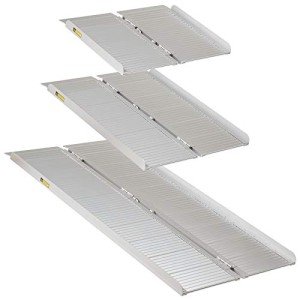
Mobile ramps are portable solutions designed to help people in browsing barriers such as stairs, curbs, and other barriers. These ramps are usually constructed from lightweight materials, making them simple to transport and set up in various areas. They are available in various sizes, lengths, and capabilities to accommodate various needs.
Key Benefits of Mobile Ramps
| Benefit | Description |
|---|---|
| Enhanced Accessibility | Mobile ramps make previously inaccessible locations accessible for people with mobility disabilities. |
| Mobility | Their lightweight style allows users to transfer ramps easily between places. |
| Versatility | Mobile ramps can be utilized in numerous settings, consisting of homes, companies, and public spaces. |
| Cost-Effectiveness | Compared to irreversible installations, mobile ramps frequently represent a more inexpensive option. |
| Compliance with Regulations | Lots of mobile ramps abide by ADA (Americans with Disabilities Act) standards, promoting safe access. |
Kinds Of Mobile Ramps
Various types of mobile ramps accommodate specific requirements and circumstances. Here are a few of the most typical types:
-
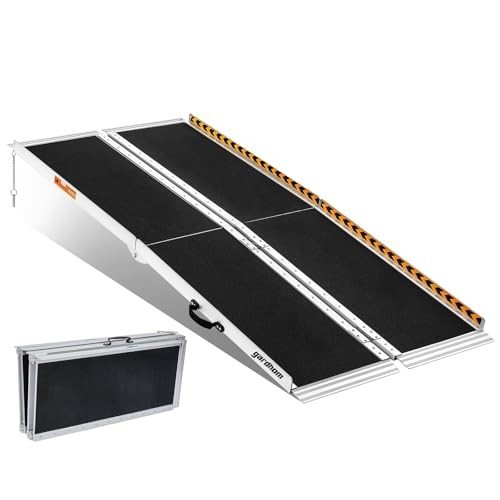
Folding Ramps: These ramps can be folded in half for simple transportation, often coming geared up with deals with. They are convenient for personal usage, such as when taking a trip or participating in events.
-
Roll-Up Ramps: Made from long lasting materials like aluminum, roll-up ramps can be rolled up when not in use, making storage simple. They are often lightweight and ideal for regular usage.
-
Telescoping Ramps: These ramps can be adjusted in length, which is perfect for varying heights of steps and curbs. Their performance allows for a custom-made fit in various applications.
-
Wheelchair Ramps: Specifically created to accommodate wheelchair users, these ramps frequently have features like non-slip surfaces and side rails for safety.
-
Platform Ramps: For larger mobility gadgets, platform ramps create flat, steady shifts in between levels, ideal for companies or occasion setups.
| Kind of Ramp | Perfect Use Cases | Features |
|---|---|---|
| Folding Ramps | Individual travel | Lightweight, compact |
| Roll-Up Ramps | Outside events | Durable, easy to keep |
| Telescoping Ramps | Varying heights | Adjustable length |
| Wheelchair Ramps | Committed wheelchair usage | Non-slip surface area, safety rails |
| Platform Ramps | Bigger mobility devices | Steady, flat surface |
Applications of Mobile Ramps
The applications of mobile ramps extend far beyond individual use; they are vital in numerous environments:
1. Residential Settings
House owners experiencing mobility challenges can benefit significantly from setting up a mobile ramp. Whether for member of the family who have trouble navigating stairs or for visitors, a mobile ramp provides smooth entry and exit.
2. Public Spaces
Public buildings, parks, and occasion venues often have barriers that impede access. Mobile ramps can be set up rapidly at entry indicate ensure everybody can get involved completely.
3. Business Use
Organizations, particularly those that rely on foot traffic, should be available to everybody. Mobile ramps can be utilized throughout special occasions or to comply with regulations that require ADA availability.
4. Outside Activities
For outside occasions like shows, celebrations, or sporting activities, mobile ramps enable easier access to stages or other raised locations. They are especially useful in settings where long-term setups are unwise.
Crucial Considerations When Choosing a Mobile Ramp
Before buying, it’s vital to think about different factors to make sure the right fit for specific needs:
-
Weight Capacity: Each ramp has a specific weight limitation, so select one that can accommodate the heaviest mobility device plus the user.
-
Height and Length: Measure the height of the barrier and select a proper ramp length to guarantee a gentle slope that sticks to safety standards.
-
Material Type: Look for durable materials such as aluminum or durable plastic that can hold up against outdoor aspects and frequent usage.
-
Portability Features: Consider mobility requirements; some ramps feature handles or carrying cases that make them much easier to transfer.
-
Surface area Type: Textured surface areas improve grip and security, specifically in outdoor environments or in damp conditions.
Frequently Asked Questions (FAQ)
Q1: Are mobile ramps safe for use?
A1: Yes, when chosen based on weight capability and slope, mobile ramps can be very safe. Always ensure the ramp has non-slip functions for included stability.
Q2: How do I know what size ramp I require?
A2: Measure the height of the barrier you need to overcome and choose a ramp that supplies a gentle slope, generally not surpassing a 1:12 ratio.
Q3: Can mobile ramps be utilized outdoors?
A3: Absolutely! Lots of mobile ramps are created for outside usage, however it’s suggested to ensure they are made from weather-resistant products.
Q4: Do I require a permit to utilize a mobile ramp in public areas?
A4: This can vary by location. It’s finest to inspect regional regulations or talk to location managers concerning portable ramp use.
Q5: Are there moneying options available for purchasing mobile ramps?
A5: Several nonprofits, federal government programs, and insurance coverage strategies may offer help. Research study regional resources readily available for mobility aids.
Mobile ramps are essential tools that improve availability, promote independence, and deal convenience to individuals with mobility obstacles. Their adaptability and effectiveness make them suitable for property, industrial, and public settings. By comprehending the types of ramps, their applications, and important factors to consider, users can make educated decisions about incorporating mobile ramps into their lives or environments. As communities continue to pursue inclusivity, mobile ramps are steps in the best instructions– bridging spaces and permitting everyone to move freely!