

Kitchen Hood
Add a review FollowOverview
-
Founded Date 03/06/1901
-
Sectors College
-
Posted Jobs 0
-
Viewed 5
Company Description
How Much Do Cooker Hood Experts Earn?
The Essential Guide to Extractor Cooker Hoods: Functionality, Types, and Maintenance
In today’s culinary landscape, the kitchen is typically the heart of the home. As such, guaranteeing it remains a clean and comfy environment is essential. Among the most efficient tools in achieving this is the extractor cooker hood. This post explores the performance, types, features, and maintenance of extractor cooker hoods, arming house owners with the knowledge they need for a well-ventilated kitchen.
What is an Extractor Cooker Hood?
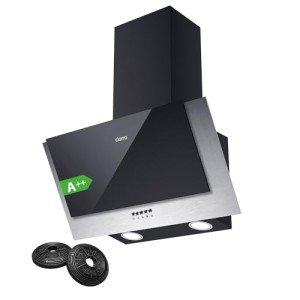
An extractor cooker hood, also understood as a range hood, is a kitchen home appliance developed to siphon airborne grease, smoke, odors, and steam away from the cooking area. By doing so, it assists preserve air quality, boosts convenience, and prevents grease from picking kitchen surface areas.
How Does it Work?
The extractor hood operates using a combination of fans and filters. The fan draws in cooking fumes and particles, while the filters remove grease and other pollutants. The purified air can then be vented outside or recirculated back into the kitchen, depending upon the type of hood used.
Types of Extractor Cooker Hoods
Extractor cooker hoods vary significantly in design and performance. Here’s a detailed breakdown of the primary types:
| Type | Description | Suitable For |
|---|---|---|
| Chimney Hoods | Wall-mounted hoods that hang above the stove, featuring a chimney-like structure for venting. | Modern kitchens with high ceilings. |
| Under-Cabinet Hoods | Installed beneath cabinets, these hoods are compact and hidden from view. | Smaller kitchens or apartments. |
| Island Hoods | Suspended hoods for kitchen islands, they deliver effective ventilation while being visually striking. | Open-layout kitchens. |
| Downdraft Hoods | Retractable hoods that emerge from the countertop, they decrease visual clutter. | Minimalist styles and islands. |
| Wall-Mounted Hoods | Repaired directly to the wall, typically looking like a chimney style, providing a contemporary edge. | Traditional and rustic kitchens. |
| Recirculating Hoods | Hoods without external venting; they filter the air and recirculate it back into the kitchen. | Homes without external vent access. |
Secret Features to Consider
When choosing an extractor cooker hood, it’s necessary to evaluate numerous crucial functions to guarantee it meets your needs. Below is a list of essential attributes:
-
Suction Power (CFM): Measured in cubic feet per minute (CFM), this indicator specifies how much air the hood can move. Consider your cooking design and frequency to identify the needed CFM.
-
Sound Level (Son): Assess the sound level determined in sones; lower sone scores imply quieter operation.
-
Filter Type: Choose between mesh, baffle, and charcoal filters according to upkeep choice. Mesh filters are easy to clean, baffle filters record larger particles, and charcoal filters are perfect for recirculating hoods.
-
Ventilation Type: Ensure compatibility with your home’s structure– is external venting available or will you count on recirculation?
-
Size: The hood needs to be at least as wide as your cooktop to catch all discharged smoke and smells efficiently.
-
Lighting: Integrated lights enhance exposure throughout cooking, adding both performance and atmosphere to your kitchen space.
-
Style: Opt for a style that complements your kitchen aesthetics– whether modern, classic, or minimalist.
Benefits of Using an Extractor Cooker Hood
Investing in a great extractor cooker hood provides many benefits:
-
Improved Air Quality: By effectively eliminating smoke, steam, and odours, you can enjoy a fresher indoor environment.
-
Increased Comfort: A well-ventilated kitchen reduces cooking heat, creating a more comfy cooking experience.
-
Lowered Grease Build-up: Regular usage avoids grease from adhering to surface areas, making kitchen cleansing a lot easier.
-
Improved Cooking Performance: A clear, smoke-free environment suggests you can focus on your cooking productions without distractions.
Maintenance Tips for Extractor Cooker Hoods
To maximize the life and performance of your extractor hood, follow these maintenance standards:
-
Regular Cleaning: Clean the filters (ideally every month) and the exterior surfaces regularly with warm soapy water; use a degreaser for persistent grease.
-
Examine the Fan: Periodically inspect the fan real estate for dust and grease accumulation, and tidy as required.
-
Change Filters: Change or clean long-term filters as indicated by the maker. Charcoal filters in recirculating hoods usually need replacement every 6-12 months.
-
Check the Ductwork: Ensure there is no blockage in the venting duct; clear any obstructions to preserve optimal airflow.
-
Look for Damage: Regularly evaluate the hood for wear and tear. Any harmed parts should be dealt with immediately to prevent further problems.
Frequently Asked Questions (FAQ)
1. How do I choose the best size extractor cooker hood for my kitchen?
The hood must be at least as broad as your cooking location. Furthermore, measure the height from your stove to the ceiling and guarantee the hood fits easily within that area.
2. Can I install an extractor cooker hood myself?
Installation can be complicated, especially for ducted hoods. While some property owners may select to do it themselves, seeking advice from a professional is advised for optimal efficiency and compliance with building regulations.
3. How often should I clean my extractor cooker hood?
It’s a good idea to clean filters month-to-month and the outside surface areas weekly. However, the frequency may differ based on cooking routines.
4. What is the difference between ducted and recirculating hoods?
Ducted hoods vent air outside, while recirculating hoods filter and return air into the kitchen. Ducted hoods are typically more efficient at removing toxins.
5. Are extractor cooker hoods loud?
The noise level can differ by model and brand. Lots of modern models are developed with quieter operation in mind. Check the sone score to understand the expected noise level.
An extractor cooker hood is an essential kitchen appliance that integrates functionality with looks. By comprehending the various types, features, and upkeep practices, homeowners can make educated decisions that contribute to a cleaner, more comfy cooking environment. Whether you’re a skilled chef or a casual cook, the ideal extractor hood can transform your cooking experience while promoting a healthier home environment.